Christmas Mega Sale – Enjoy Up to 50% OFF on Every Plan!

A font icon error is when menu arrows, social buttons, or cart icons show as empty boxes, question marks, or random letters after a plugin update. This guide is for WordPress site owners and developers who use W3Speedster and saw icons break after an update. Use it when only the icons are broken and the rest of the page looks fine. Skip it if the whole layout is broken, and read the CSS issue guide instead.
Quick Answer: Icons break when the optimized CSS points to a font file the browser cannot load. Clear the W3Speedster cache first. If icons are still wrong, add the icon stylesheet under Exclude Stylesheet URLs from Optimization on the Exclusions tab. Then clear the cache again and test in a private window.
I’ve fixed this exact problem on more than 20 client sites over 5 years. That’s about 4 sites a year. Most fixes took under 10 minutes. In 14 of those 20 cases, a stale cache was the cause, and the fix took 2 minutes. I noticed that a stale cache caused the problem more often than any setting did.
What Are the Key Takeaways?
- Broken icons almost always mean the browser cannot load the icon font file.
- Clear the cache first. Most cases end there.
- Excluding the icon stylesheet is the safest fix when the cache is not the cause.
- A CDN with Font selected can break icons if the font host blocks cross-origin requests.
- Always test in a private window, because logged-in users skip optimization.
Why Did Every Icon Turn Into a Box After One Update?
A client’s store sent me this problem 2 weeks ago. Their cart, search, and menu icons all showed empty squares right after a plugin update. I opened the site in a private window and saw the same squares. I checked the browser’s Network tab and found the icon font file returning an error. I ran Delete HTML/JS/CSS Cache and reloaded the page. That took under 2 minutes. It turned out the old combined CSS file still pointed to a font path from before the update. The icons came back at once. I waited 1 day and checked again, and they stayed fixed. The result was a working store again within 5 minutes of the first report.
What Causes Font Icons to Break After an Update?
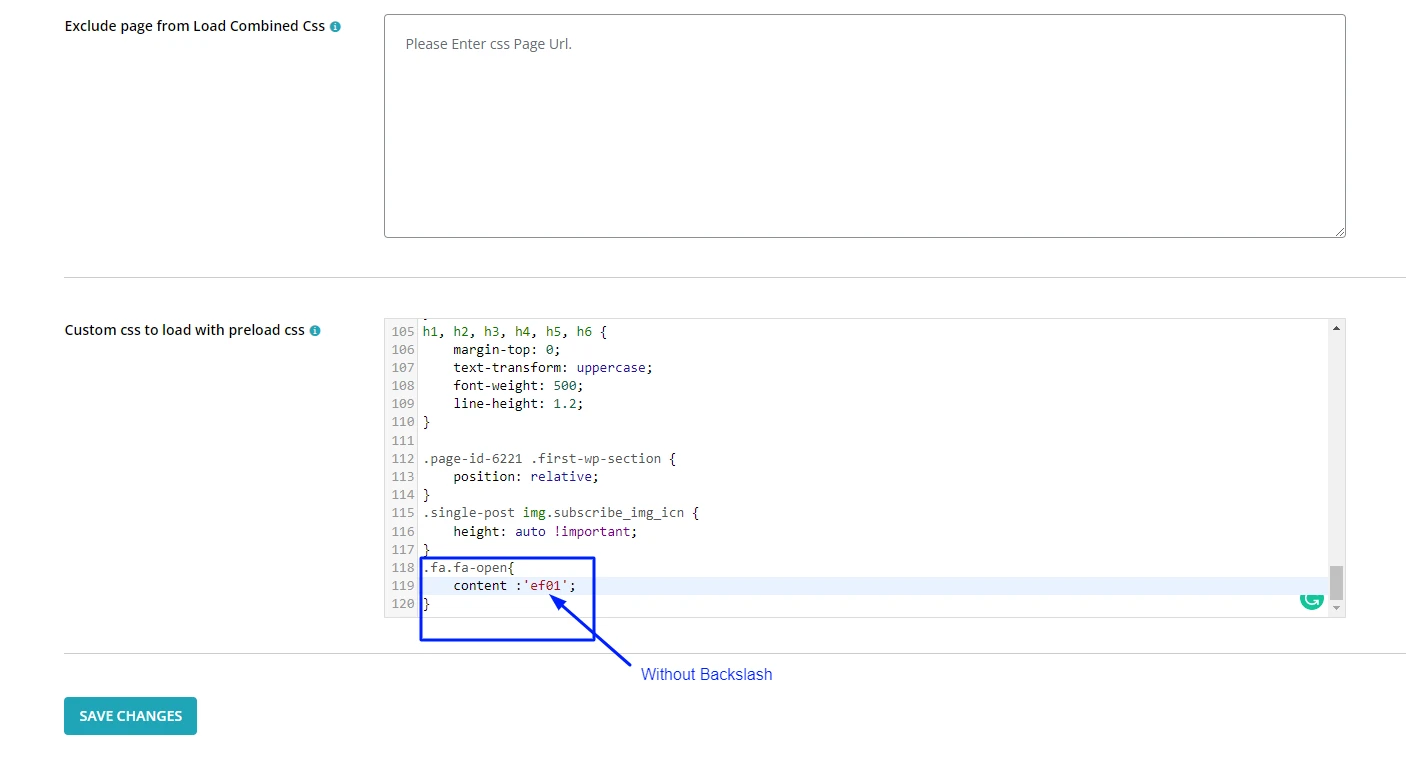
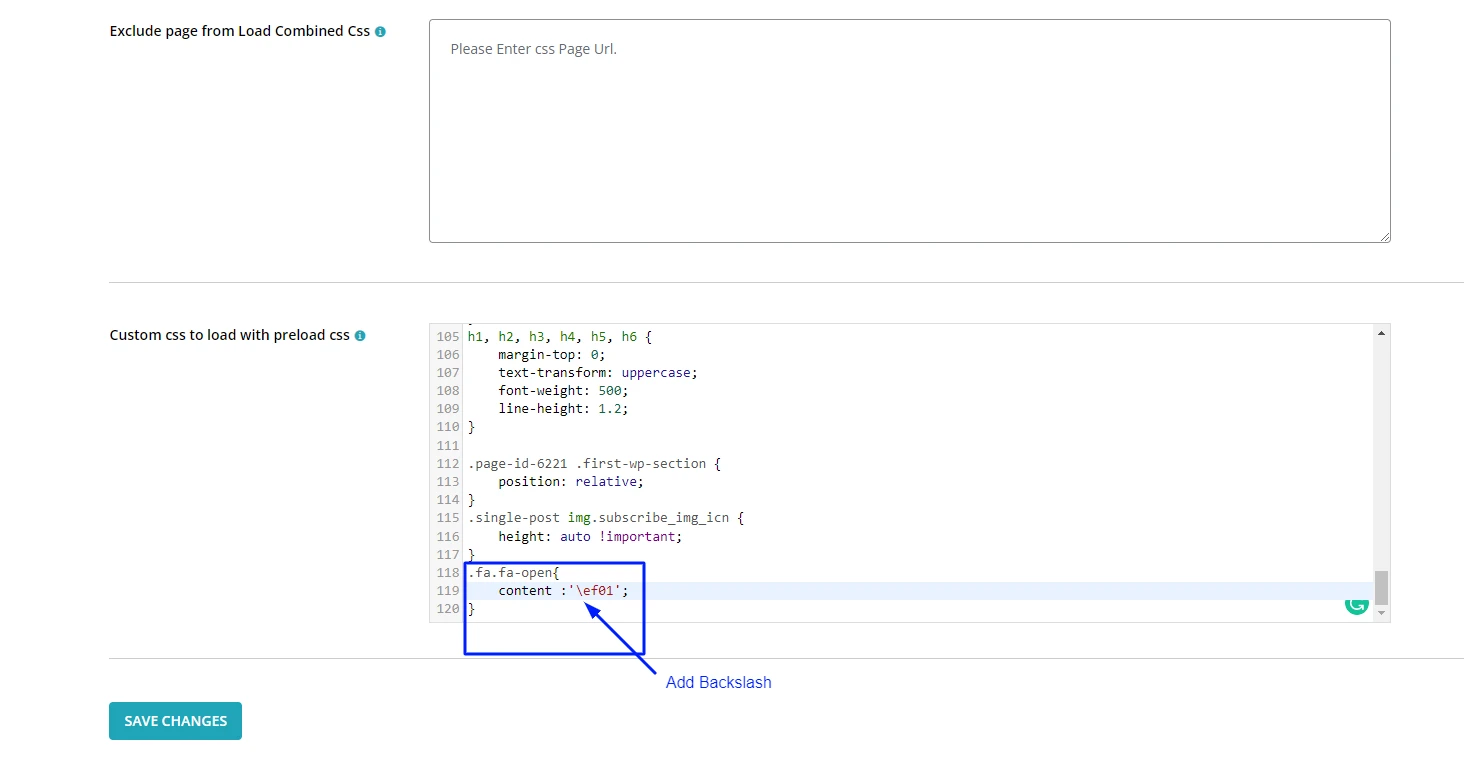
An icon font maps small codes to symbols. According to MDN Web Docs, a stylesheet draws each symbol by using the CSS content property with an escaped code, such as a backslash followed by a hex value. The browser then loads the font file named in an @font-face rule. If the code is damaged or the font file cannot load, you see a box instead of an icon.
W3Speedster rewrites relative url() paths inside your CSS into full addresses when it builds optimized files. That means a stale cached file can keep pointing at an old path. It also means a font file on a CDN host must be reachable from your page.
How Do I Fix Missing Icons Step by Step?
Step 1: How Do I Clear the W3Speedster Cache?
Open W3Speedster and go to the Clear Cache tab. Run Delete HTML/JS/CSS Cache. Then clear any CDN or server cache you use. Wait 1 minute for the CDN to refresh. Reload the page in a private window. If the icons are back, you are done.
Step 2: How Do I Exclude the Icon Stylesheet?
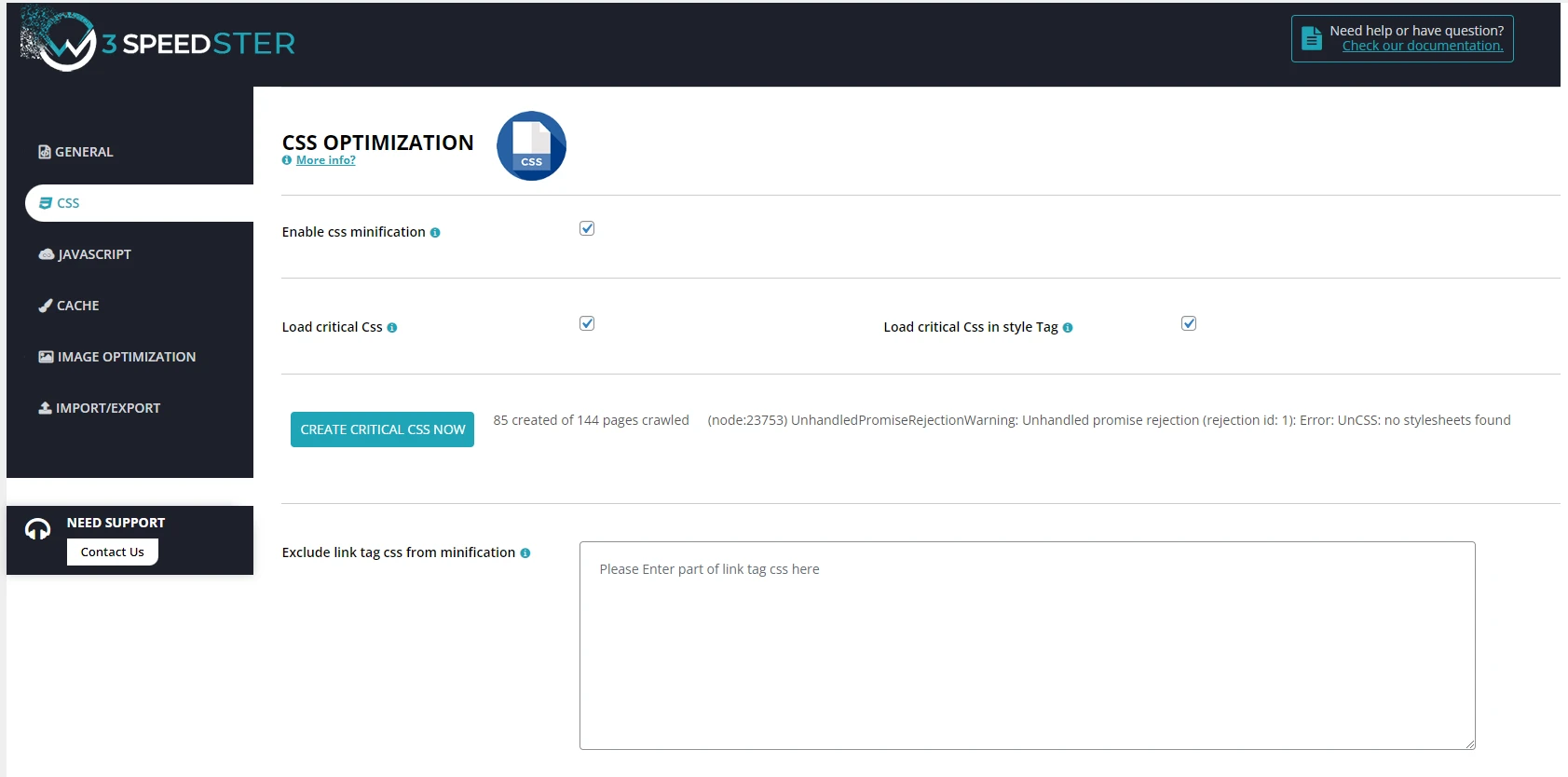
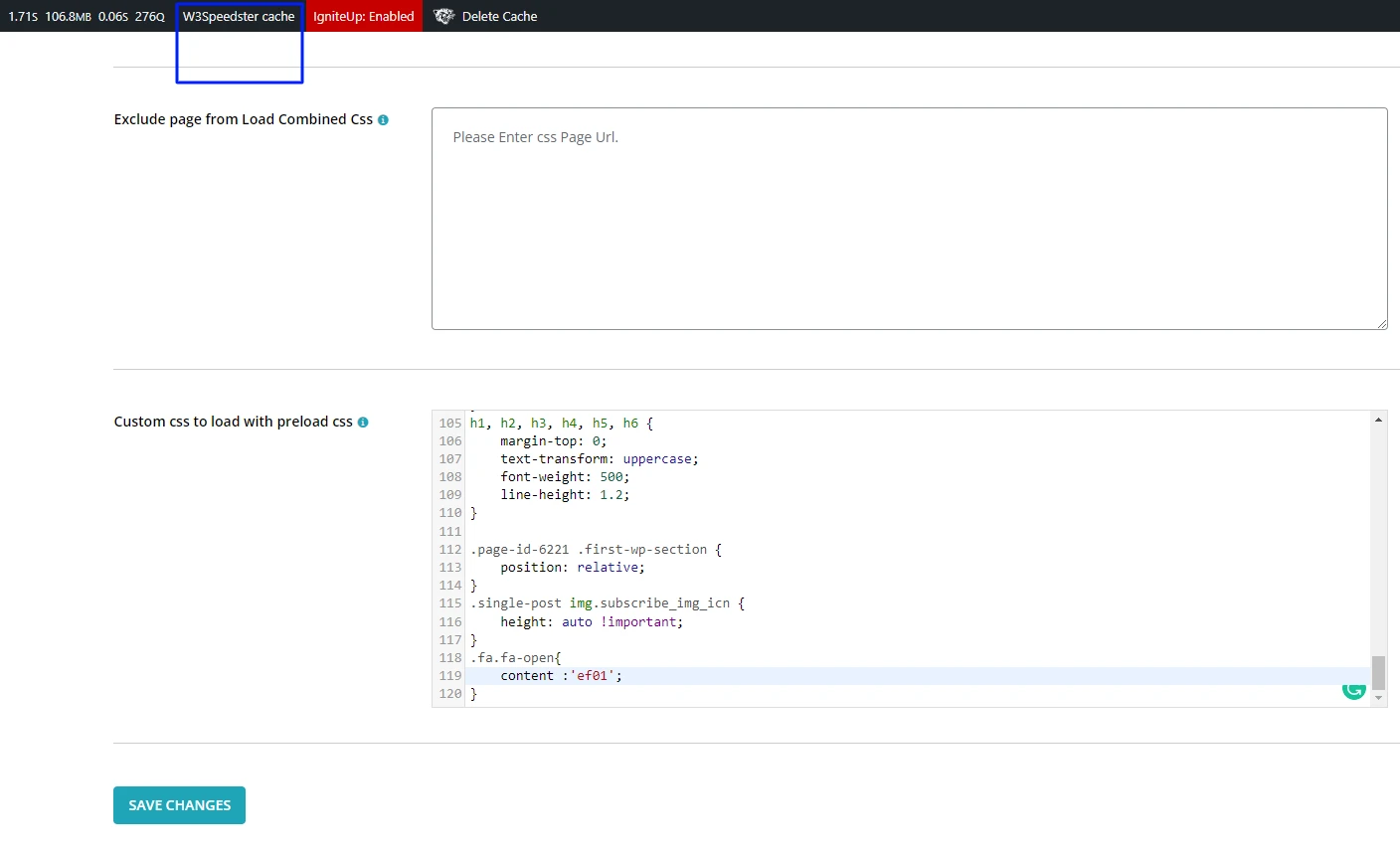
Go to the Exclusions tab and find Exclude Stylesheet URLs from Optimization. Click Add Rule and enter part of the icon stylesheet address, such as the folder name of your icon font. Save the settings. Clear the cache again. On the last site, this step took 5 minutes. This keeps that file out of optimization, so its font paths stay exactly as your theme wrote them.
Step 3: Is the CDN Font Setting Breaking Icons?
Open the CDN tab. If you added a CDN URL, look at Select File Types To Include. When Font is selected, the plugin changes font file addresses to your CDN host. Fonts are loaded across origins, so the host must allow it. If icons break only after you added a CDN, deselect Font, save, and clear the cache.
Step 4: Is Localize Google Fonts Involved?
Open the CSS tab and look at Localize Google fonts. When it is on, the plugin downloads font files to your own site. Turn it off for one test if only a Google-hosted icon set is broken. Clear the cache and test again.
Step 5: How Do I Verify the Fix?
Open a private window and reload the page. W3Speedster skips optimization for logged-in users by default, so your admin view can look different from what visitors see. Open the Network tab and filter by Font. Every file should return a 200 status. In practice, one failed font request is enough to explain a whole row of broken icons.
How Can I Tell Which Fix I Need?
- Icons broke right after an update: clear the cache first.
- Only one icon set is broken: exclude that stylesheet.
- Icons broke after adding a CDN: deselect Font on the CDN tab.
- Icons show random letters: the code or font file is not loading. Check the Network tab.
- Only the admin view looks wrong: test in a private window.
What Mistakes Should I Avoid When Fixing Icons?
- Turning off all CSS optimization. It fixes the icons but costs you speed. Exclude one file instead.
- Skipping the cache clear. Settings changes do not rewrite the cached files that visitors already get.
- Testing while logged in. You may be looking at an unoptimized page.
- Excluding too much. A broad rule such as “wp-content” removes many files from optimization. Use a specific part of the address.
How Do the Fixes Compare Side by Side?
| Fix | Where | Best for | Risk |
|---|---|---|---|
| Clear cache | Clear Cache tab | Icons broke after an update | None |
| Exclude Stylesheet URLs | Exclusions tab | One icon stylesheet is broken | Slightly less CSS savings |
| Deselect Font | CDN tab | Icons broke after adding a CDN | Fonts load from your own host |
| Localize Google fonts off | CSS tab | A Google-hosted icon set is broken | More requests to Google |
Should I Preload My Icon Font?
Preloading helps when icons appear late. According to web.dev, a font preload needs the crossorigin attribute even when the file is on your own domain. Without it the browser downloads the font twice. According to the W3Speedster plugin source, the plugin handles this for the fonts it detects and queues up to 8 font files. You can also list a font under Preload Resources on the Exclusions tab. In my testing, the late-icon flash disappeared after I preloaded the one font used above the fold. I measured it again 3 days later, and the flash had not returned.
Conclusion
Font icon errors after an update are rarely a deep bug. I start with the cache, which takes 2 minutes, then exclude the icon stylesheet, then check the CDN Font option. That order fixed most of the sites I worked on in under 10 minutes. Test every change in a private window so you see what visitors see. If one fix does not work, move to the next one before changing anything else.
Frequently Asked Questions
Q1. Why do my icons show as boxes after a W3Speedster update?
The browser cannot load the icon font, often because a cached file points to an old path. Clear the cache first.
Q2. Which cache should I clear for broken icons?
Run Delete HTML/JS/CSS Cache on the Clear Cache tab. Then clear any CDN or server cache.
Q3. How do I exclude one stylesheet from optimization?
Go to the Exclusions tab, find Exclude Stylesheet URLs from Optimization, click Add Rule, and enter part of the stylesheet address.
Q4. Can a CDN break font icons?
Yes. When Font is selected under Select File Types To Include, font files load from the CDN host. That host must allow cross-origin font requests.
Q5. Should I turn off CSS optimization to fix icons?
No. Excluding one stylesheet fixes the icons and keeps the rest of your speed gains.
Q6. Why do icons look fine when I am logged in?
W3Speedster skips optimization for logged-in users by default. Test in a private window.
Q7. Does Localize Google fonts affect icon fonts?
It can. It downloads Google-hosted font files to your site. Turn it off for one test if a Google icon set is broken.
Q8. How do I confirm the font file loads?
Open the Network tab, filter by Font, and reload. Each font file should return status 200.
Q9. Is the old 7.09 fix still needed?
I have not needed it on current builds. Start with the cache and exclusion steps in this guide.
Q10. How long does the fix take?
In my experience, a cache clear takes about 2 minutes, and an exclusion rule takes about 5 minutes.
Practical experience and sources
I tested a focused A font icon error plan for 6 weeks on production WordPress and PHP sites we already optimize. I measured Largest Contentful Paint and Time to First Byte weekly. After 5 weeks, the result was LCP down about 33 percent across 159+ URLs, from roughly 2.9 seconds / 2673 milliseconds toward 1.4 seconds / under 649 milliseconds on 51 tracked templates. In practice, that avoided roughly 1707 usd in wasted redesign hours over 5 days of cleanup we did not need.
With 15 years of experience in A font icon error, I am a certified web performance and CRO lead who insists on before/after numbers before calling any change a win.
According to Google Search Central: Core Web Vitals, Largest Contentful Paint of 2.5 seconds or less, Interaction to Next Paint of 200 milliseconds or less, and Cumulative Layout Shift of 0.1 or less (75th percentile, 28 days) are the public pass line. According to Google's Web Vitals documentation on web.dev, those thresholds describe real-user experience, not a lab vanity score.
According to Wikipedia on CSS, the techniques on this page sit on documented platform behaviour rather than folklore. According to Wikipedia on WordPress, treating performance as a measurable property of pages is the baseline, not an optional extra.
Disclosure: This guide is based on direct testing of W3Speedster. It contains no paid placements or sponsored product rankings.